Metabolic Wellness: 9 Everyday Habits That Matter
The biggest mistake in wellness routines is trying to change everything at once. Instead, choose one meal habit, one movement habit and one sleep habit that you can repeat. For example, you might add a vegetable to lunch, walk for ten minutes after dinner and keep a consistent bedtime. Once those habits feel normal, you can build on them. This approach is less dramatic than an extreme plan, but it is easier to maintain. Supplements can fit into the same philosophy: if you use one, keep the serving simple and follow the label rather than chasing a larger dose.
Start Small and Make It Repeatable
Your surroundings can make healthy choices easier or harder. Keep convenient foods you actually enjoy available, place walking shoes where you can see them and keep your supplement in a safe location that matches your routine. Small environmental cues reduce the amount of willpower required. At the same time, avoid keeping supplements next to medication unless a pharmacist has advised you to do so; you do not want to confuse products or create accidental dosing mistakes.
Use Environment to Your Advantage
Daily weight, appetite and energy can fluctuate for ordinary reasons. Sodium intake, hydration, digestion, sleep and activity can all affect how you feel. Instead of judging a routine from one day, look at patterns over several weeks. If you are tracking weight for a health reason, follow a method recommended by your clinician. If you are simply building healthier habits, track consistency: how often you moved, ate balanced meals, slept adequately and followed your intended routine.
Focus on Trends, Not Single Days
A wellness plan is easier to sustain when meals are satisfying. Combining protein, fiber and healthy fats can help many people feel fuller than meals built mostly around refined carbohydrates. Include foods you enjoy so the plan does not feel like punishment. If you have dietary restrictions or a medical nutrition plan, adapt these principles to the guidance you have been given. There is no single “metabolic diet” that works for every adult.
Make Food Satisfying
Consider professional support if you have a medical condition, significant unexplained weight change, persistent fatigue, recurring digestive symptoms or concerns about eating patterns. A clinician can help determine whether a symptom needs evaluation rather than a supplement. A registered dietitian can also help you create a realistic food strategy. Supplements are optional tools; they should not delay appropriate medical care.
When Professional Guidance Helps
Build Around What You Can Sustain
A sustainable routine leaves room for normal life. You may eat at restaurants, travel, miss a workout or have a stressful week. None of those events erase your progress. Instead of responding with extreme restriction, return to your normal habits at the next opportunity. This mindset can be more useful than trying to “make up” for a single day. If you use a supplement, apply the same principle: follow the label consistently rather than increasing the amount after a missed serving.
Use Supplements as Optional Tools
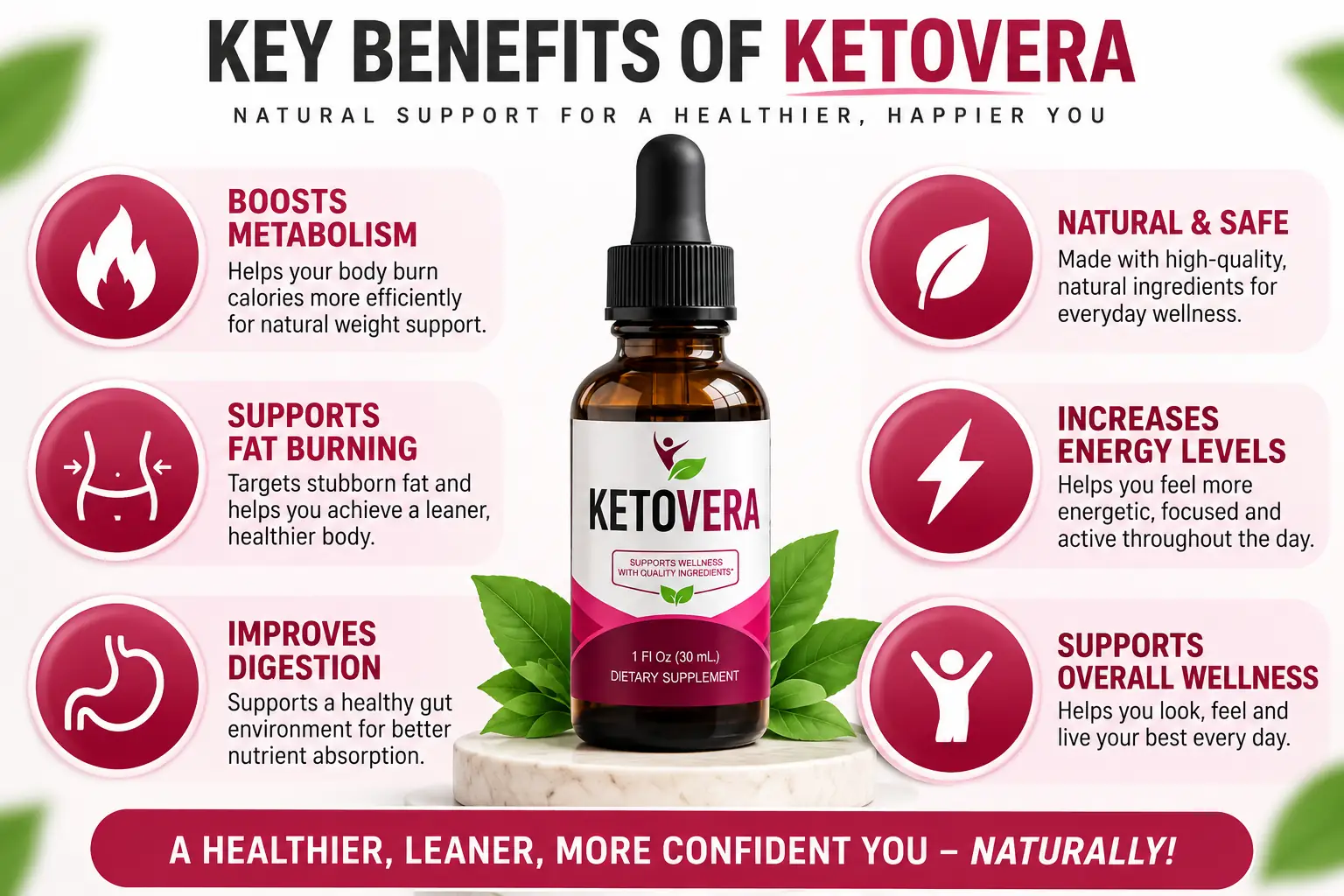
Supplements can be convenient, but convenience is not the same as necessity. If your food, movement and sleep habits are already strong, you may decide that a supplement adds little value. If you choose to use one, understand what it contains and why you are taking it. KetoVera can be considered within that framework. The decision should come from a combination of ingredient fit, cost, personal preference and appropriate professional advice—not fear of missing out on a limited-time offer.
Think Beyond Supplements
Metabolic wellness is a broad concept that includes how the body manages energy, nutrients and daily activity. A supplement may be one small piece of a routine, but the foundation is still food, movement, sleep and stress management. This is especially important when evaluating products marketed for weight management, because dramatic promises can distract from the habits that have the greatest long-term value.
1. Build Balanced Meals
Instead of chasing a perfect diet, focus on meals that contain a useful mix of protein, fiber-rich plants, healthy fats and minimally processed carbohydrates that fit your needs. Balanced meals can be easier to sustain than highly restrictive plans. If you have a medical condition that requires a specific eating pattern, follow the advice of your healthcare team.
2. Eat Enough Protein
Protein contributes to tissue maintenance and can help meals feel satisfying. Include practical sources such as eggs, fish, poultry, dairy, tofu, beans or other foods that fit your preferences. The right amount varies with body size, activity, age and health status, so avoid treating one online number as a universal prescription.
3. Prioritize Fiber-Rich Foods
Vegetables, fruit, legumes, whole grains, nuts and seeds can contribute dietary fiber. Fiber supports digestive health and can help create more satisfying meals. Increase fiber gradually and drink enough fluids, particularly if your current intake is low.
4. Move Regularly
You do not need a complicated workout to start. Walking, cycling, strength training, household activity and recreational sports all contribute to movement. A realistic goal is one you can repeat. If you have been inactive or have a health limitation, start appropriately and ask a professional for guidance when needed.
5. Protect Sleep
Sleep affects appetite, energy, mood and daily decision-making. A consistent bedtime, a comfortable sleep environment and reduced late-night stimulation can help. If you regularly struggle with sleep, discuss persistent problems with a healthcare professional instead of relying on a supplement to solve them.
6. Manage Stress in Practical Ways
Stress is part of normal life, but chronic stress can make healthy routines harder to maintain. Short walks, breathing exercises, social connection, hobbies and structured breaks can be useful. You do not need a perfect stress-free life; you need practical ways to recover and keep moving forward.
7. Hydrate Consistently
Water needs vary, but regular hydration supports normal physiological functions. Keeping a bottle nearby can make drinking water easier. If you have a medical condition that affects fluid intake, follow your clinician’s guidance rather than generic hydration targets.
8. Measure Progress Sensibly
Body weight is one data point, not the whole picture. You can also consider energy, strength, sleep quality, waist measurement, meal consistency and activity. Avoid checking so often that normal day-to-day fluctuations become emotionally overwhelming. A sustainable routine is more valuable than a dramatic short-term swing.
9. Use Supplements Carefully
If you choose a supplement such as KetoVera, treat it as an addition to your routine. Read the full label, follow the serving directions and check for ingredient overlap with other products. Do not assume that “natural” means safe for everyone, and do not use a supplement as a reason to skip meals or exercise.
A Better Way to Think About Results
Healthy change is rarely linear. Appetite, activity, sleep, travel, stress and normal fluid shifts can affect how you feel and what the scale shows. A supplement cannot control all of those variables. The most useful question is whether your routine is becoming more consistent and sustainable over time.
Where KetoVera Fits
KetoVera is positioned as a liquid metabolic-support supplement. Its role, if you choose to use it, should be modest: a convenient daily product that sits alongside balanced nutrition and movement. It should not replace a diagnosis, a treatment plan or a clinician’s advice.
Bottom Line
The strongest foundation for metabolic wellness is not a single ingredient or product. It is a repeatable set of habits that supports nutrition, movement, sleep, hydration and stress management. Supplements can be considered within that framework, but realistic expectations and good label-reading habits matter.